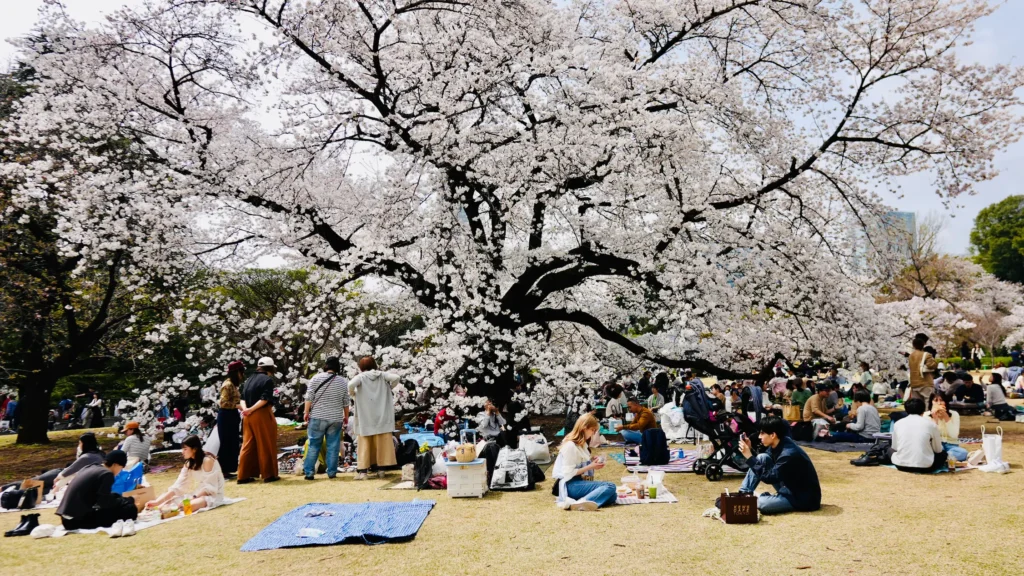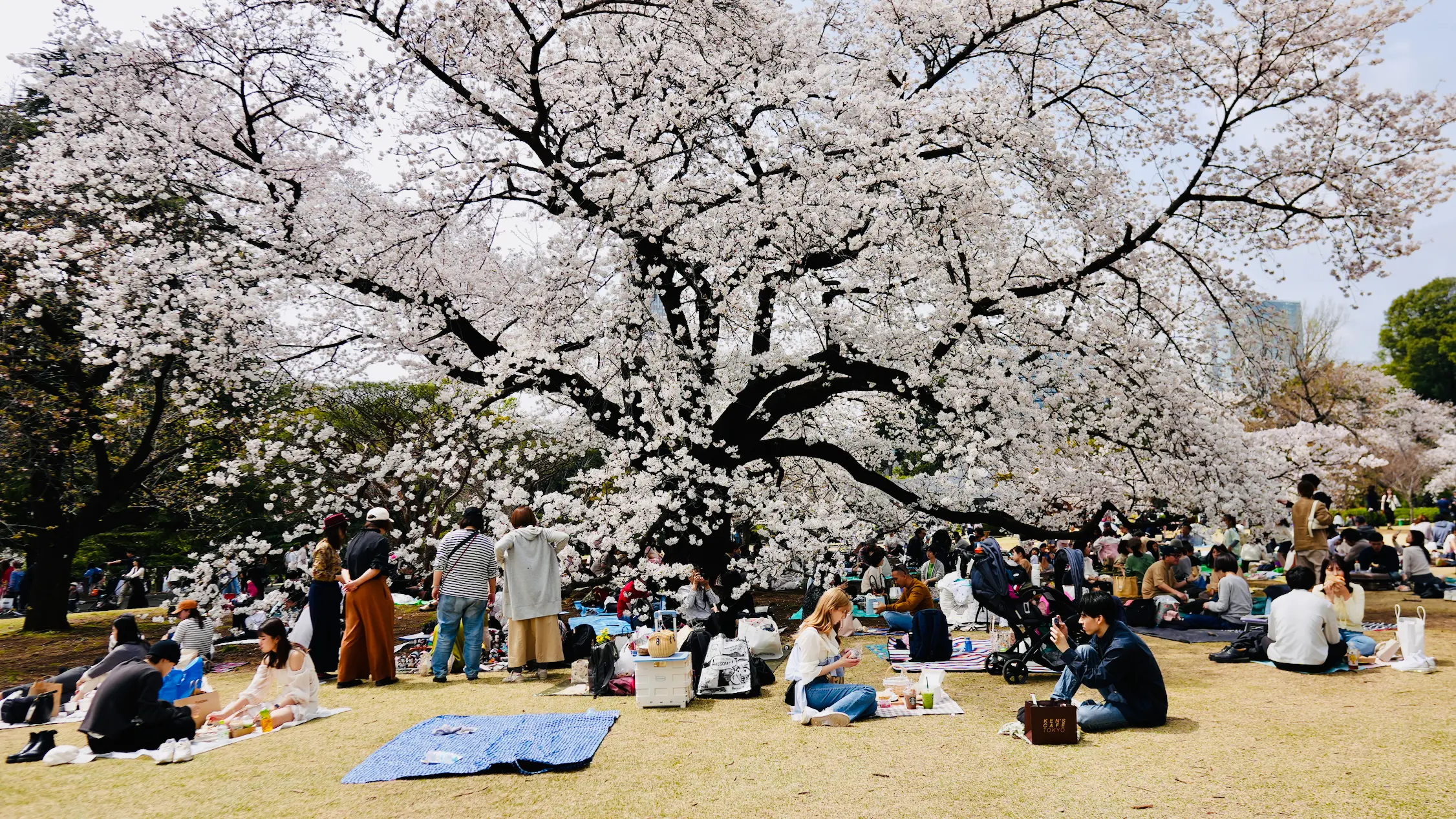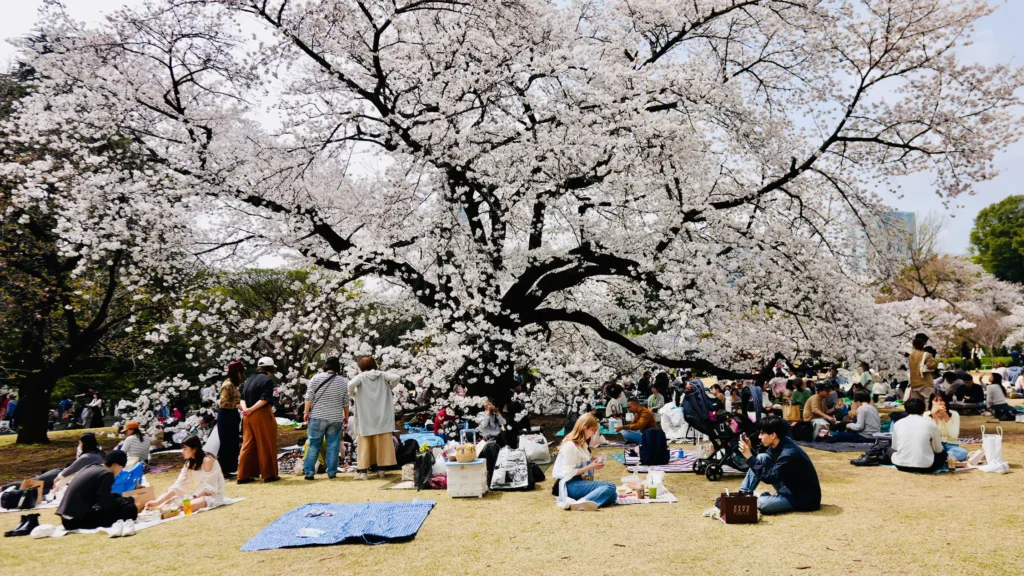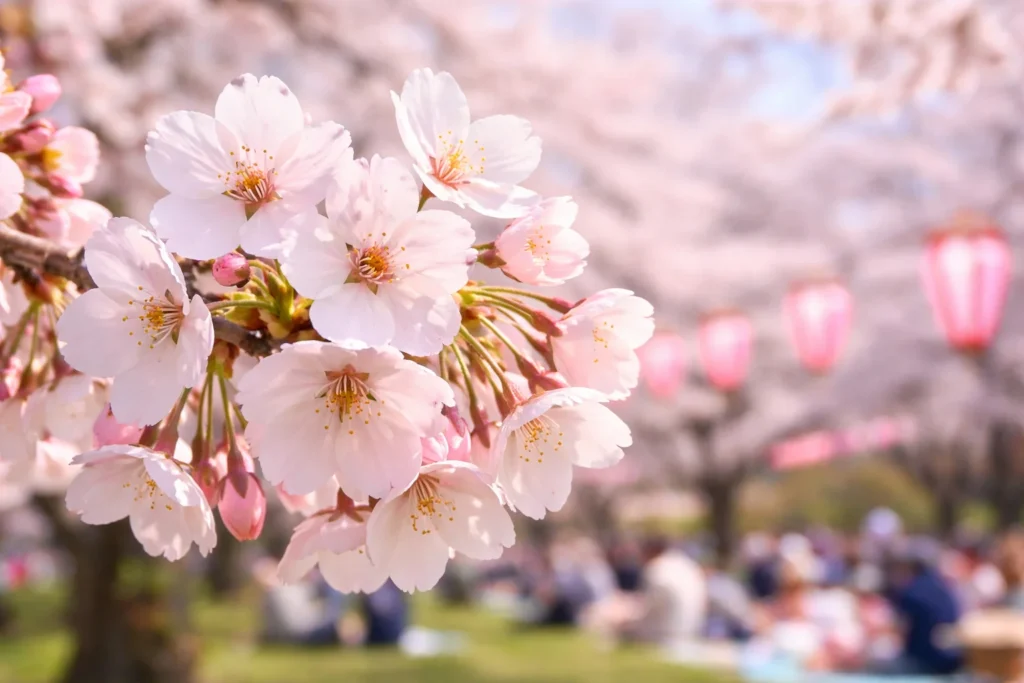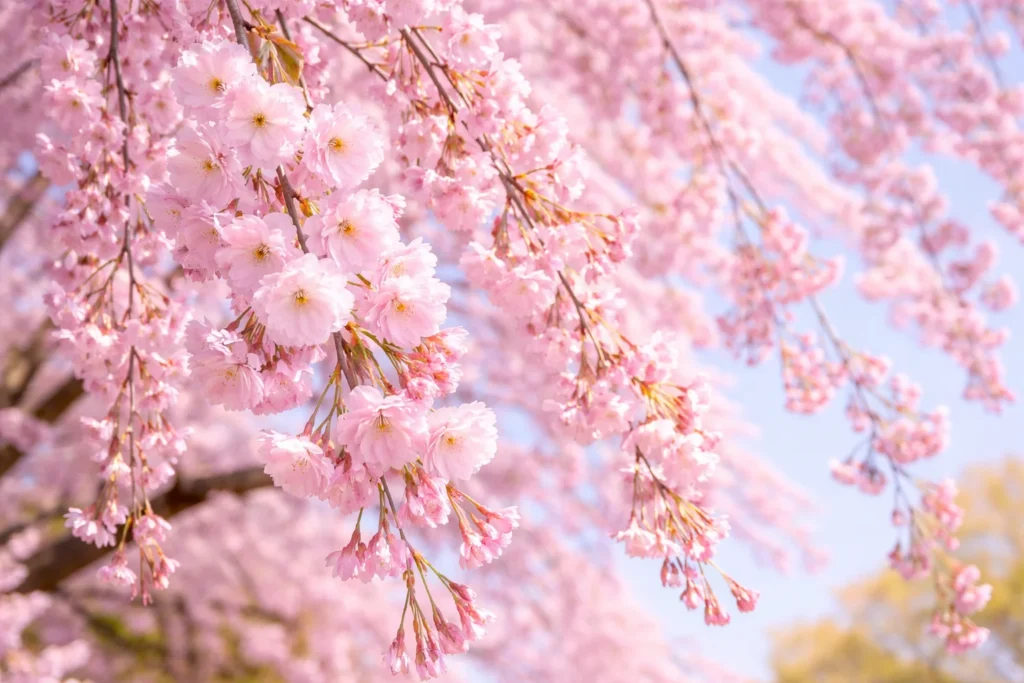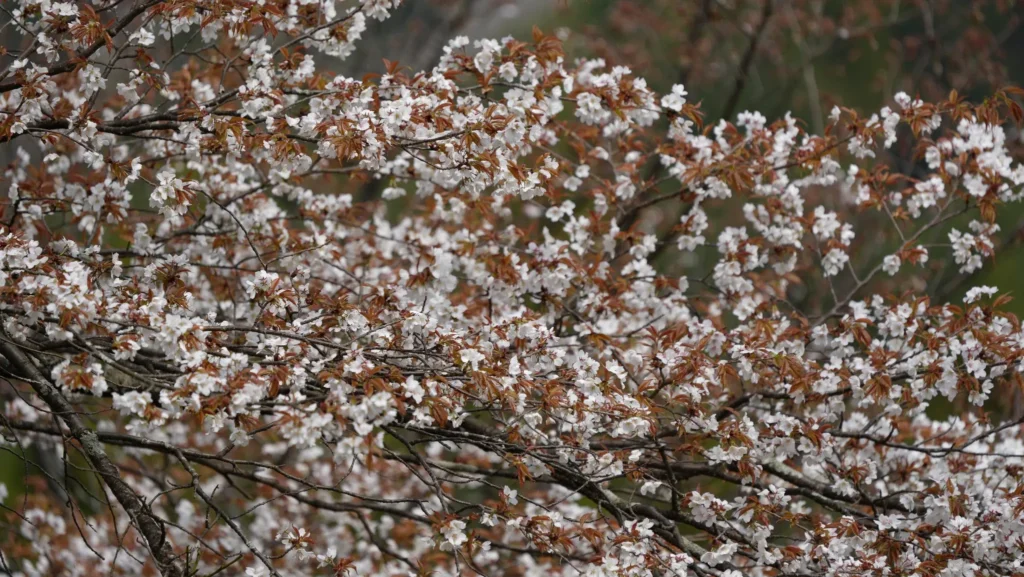
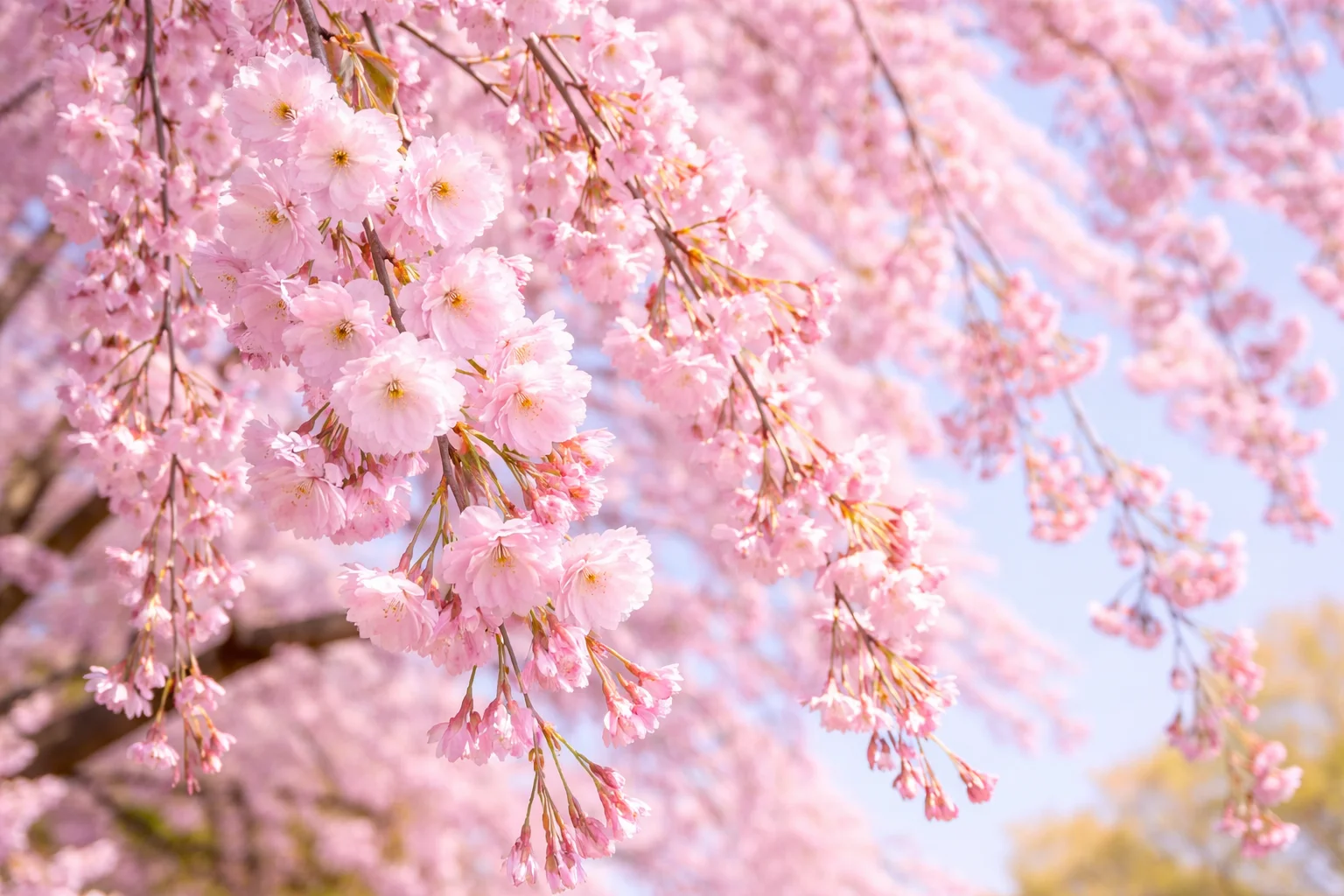
Cherry blossom is as synonymous with Japan as McDonalds is synonymous with America. As gateway to the vast majority of international visitors to Japan, Tokyo is not only an interesting megacity packed with beautiful sights and interesting things to see, do, and eat; this city is also blessed with numerous cherry blossom sights, some of the best in the whole of Japan. If you come to Tokyo between mid-March and mid-April, it would be a terrible mistake not to partake in the enormously popular activity of hanami. Literally translated as “cherry blossom viewing”, hanami is an opportunity to connect with nature, relax with friends and family, and be reminded of the fleeting beauty in the world.
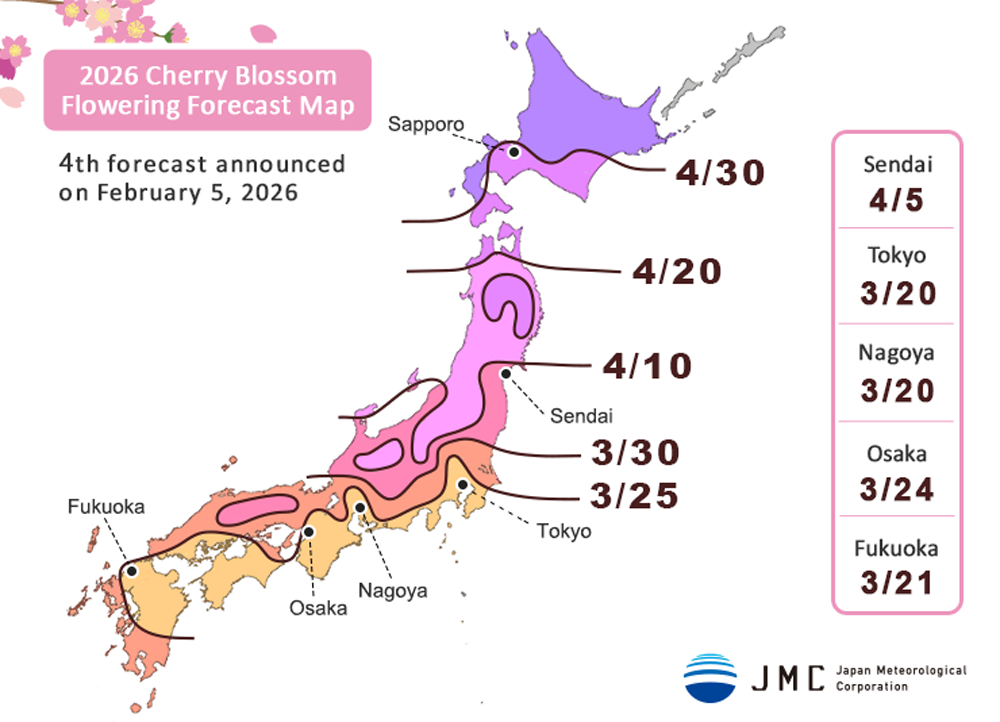
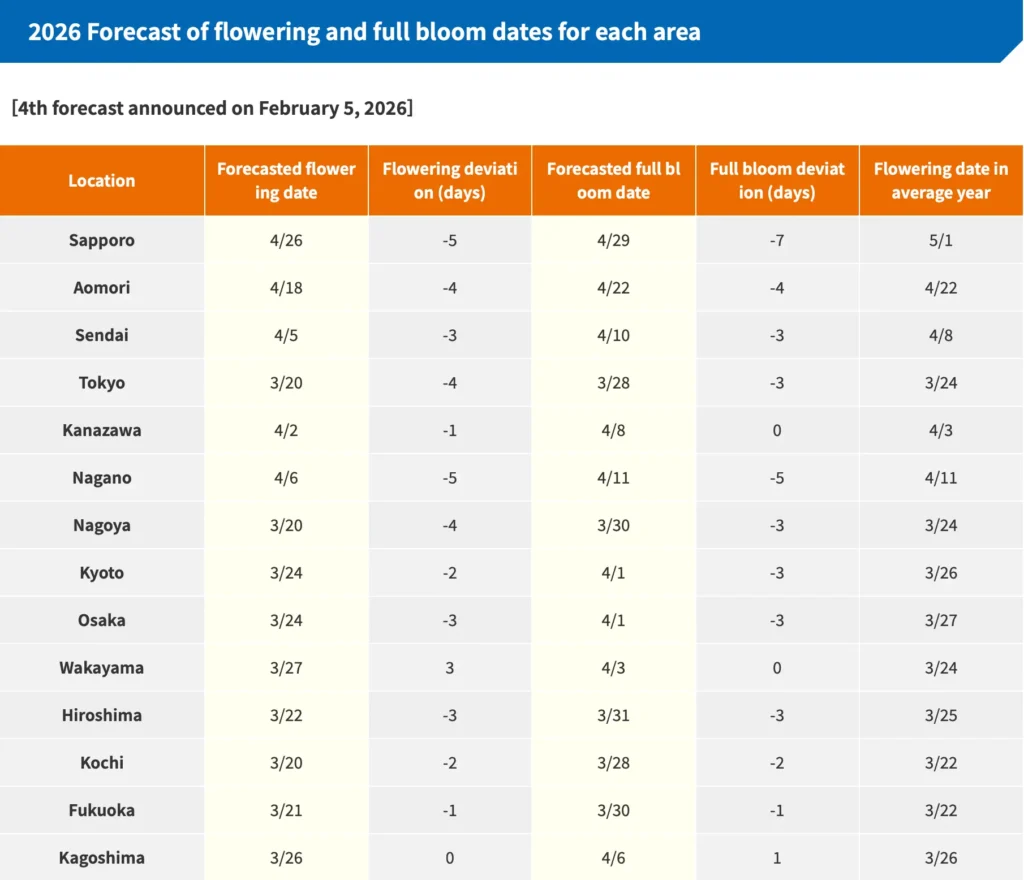
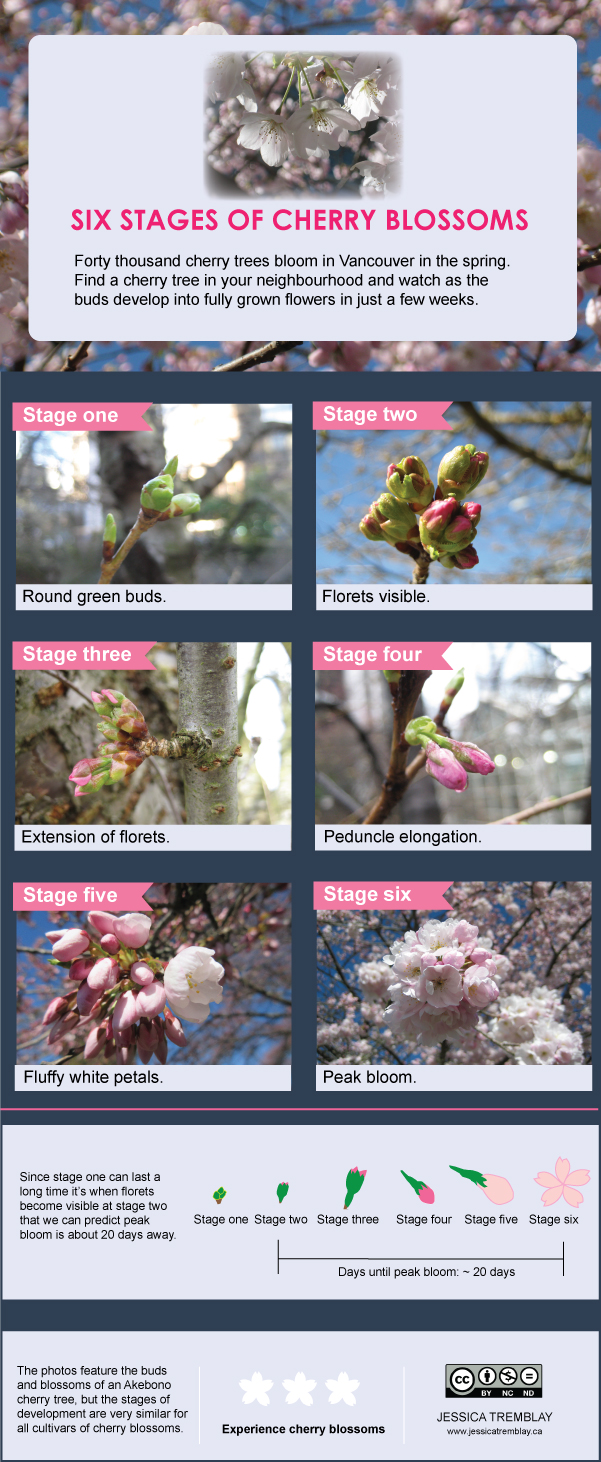
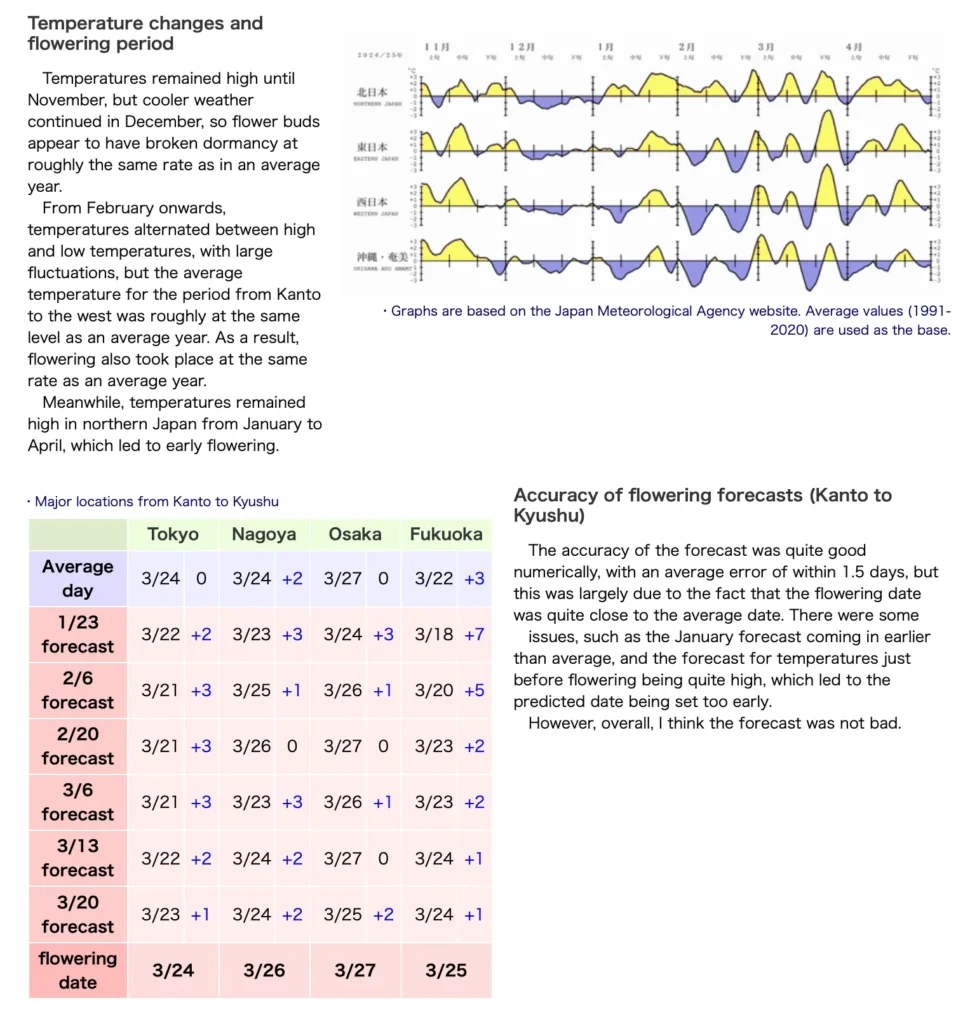
But for would-be cherry blossom viewers from abroad, participating in hanami is not just simple as buying a flight ticket and showing up in Tokyo. From timing the peak bloom, which fluctuates every year, to scouting sightseeing locations, accommodations, and transportation, things can get complicated quickly.
This guide presents you with essential information so that you can plan your trip to Tokyo and enjoy cherry blossom at its peak. From different types of cherry blossom, to how to use the official blossom forecast, and what Japanese people do during hanami season, the information on this page will help you make the most of your money and time in Tokyo’s spring season.
Why is it important to know that there are different types of cherry blossom?
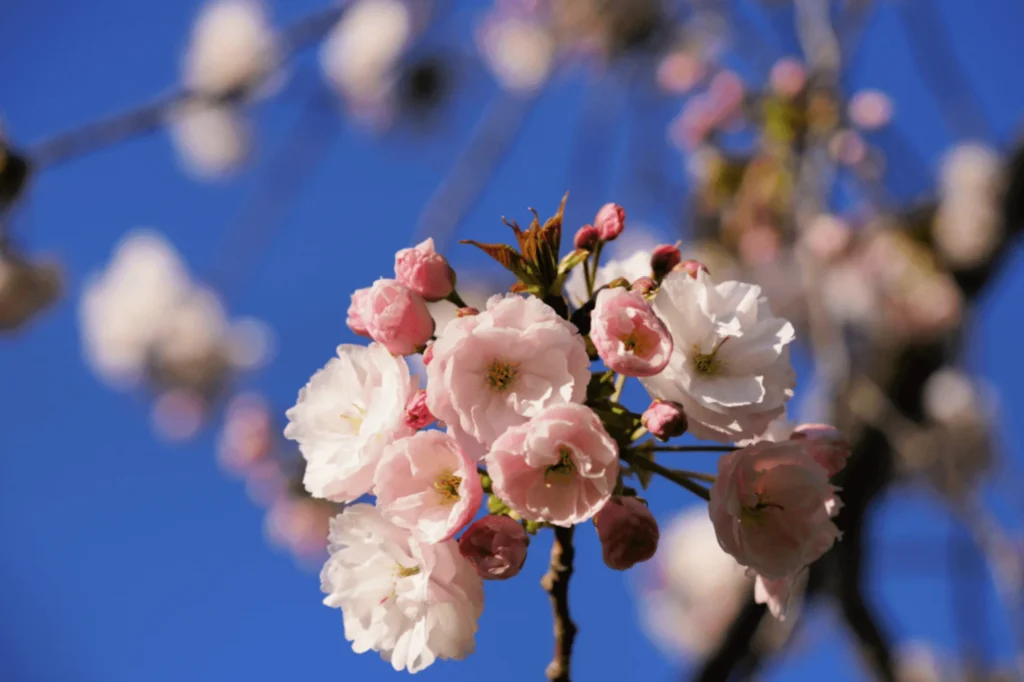
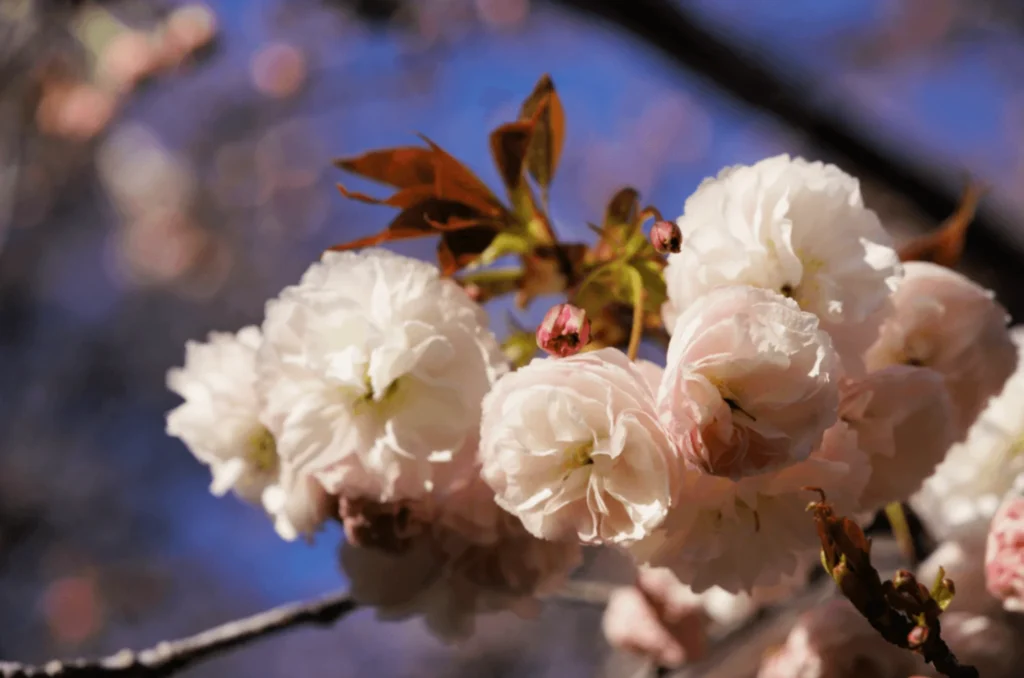
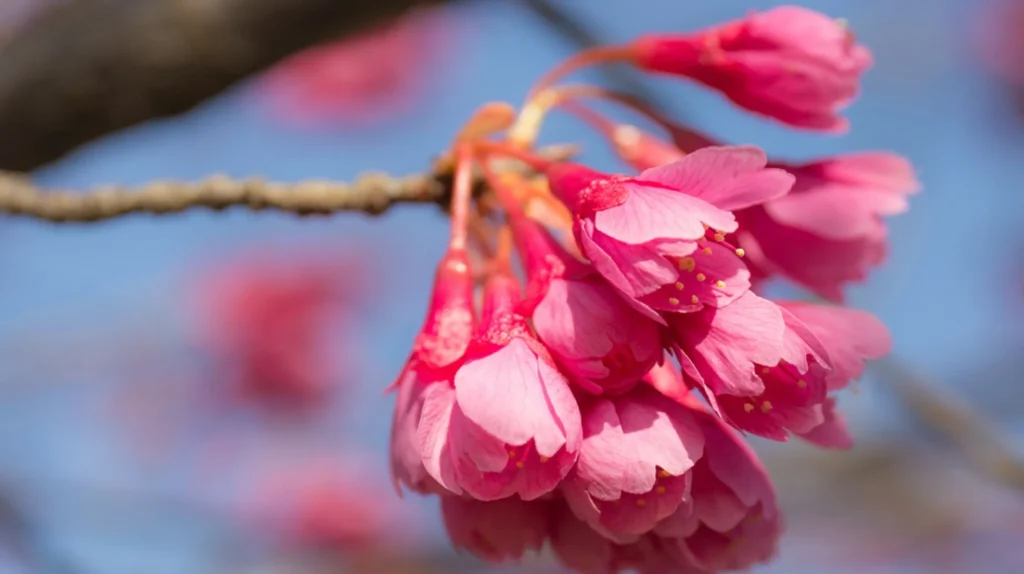
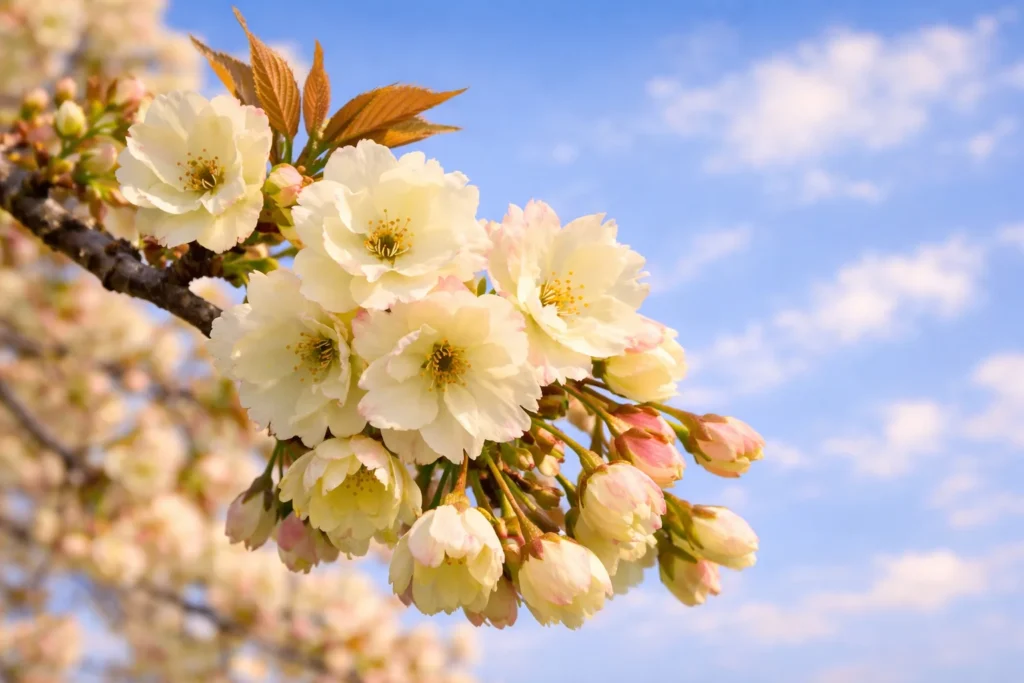
The vast majority of foreign tourists to Japan concentrate their visits during the Somei Yoshino cherry blossom period, which typically lasts from late March to early April. I believe this approach to planning is mistaken, because there are many cherry varieties in addition to Somei Yoshino, that are just as beautiful, but bloom at different times. Knowing this, you can choose to come after the peak tourist period, taking advantage of cheaper prices, less crowd, and better weather, while still enjoying the beauty of cherry blossoms.
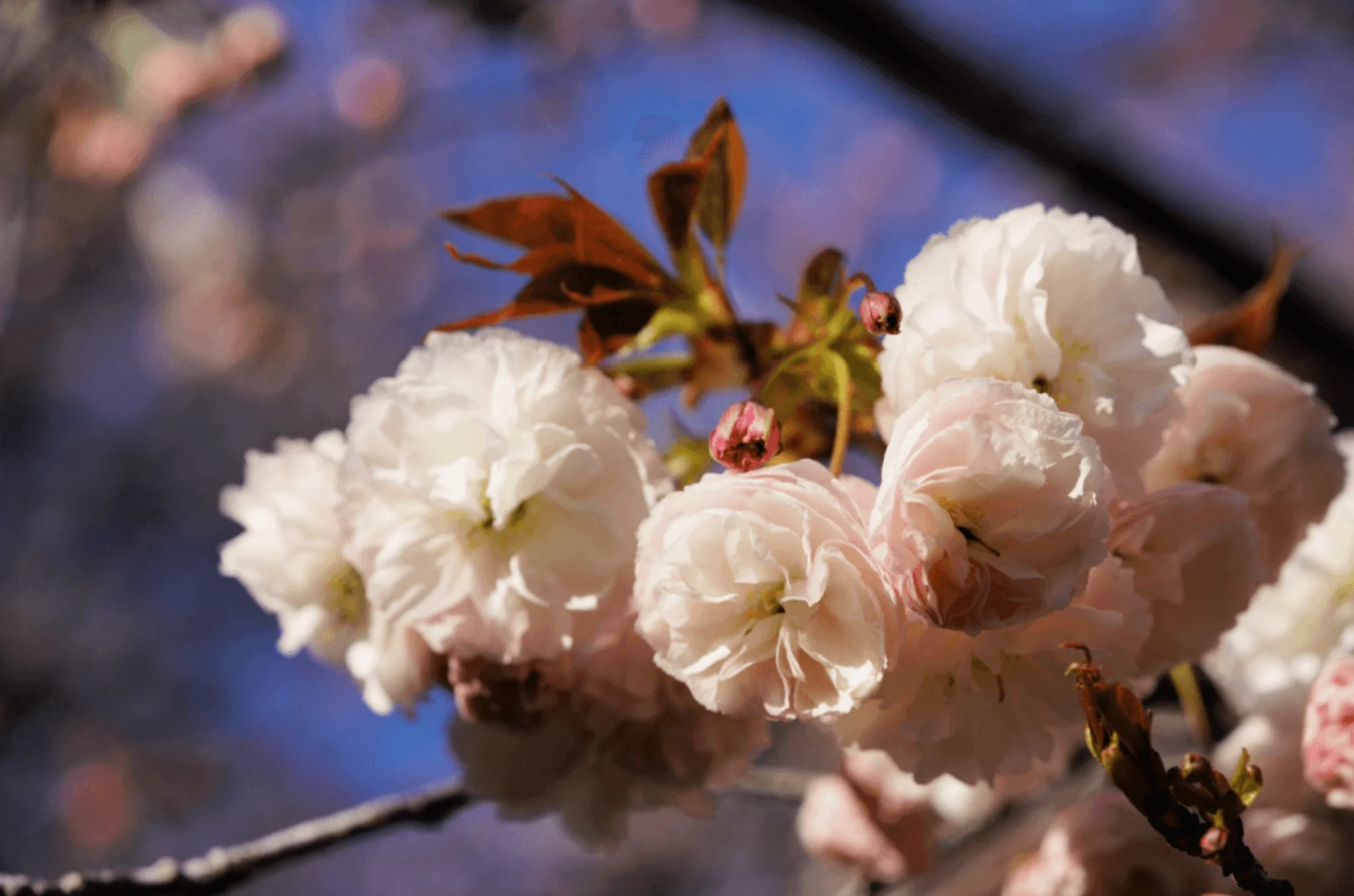
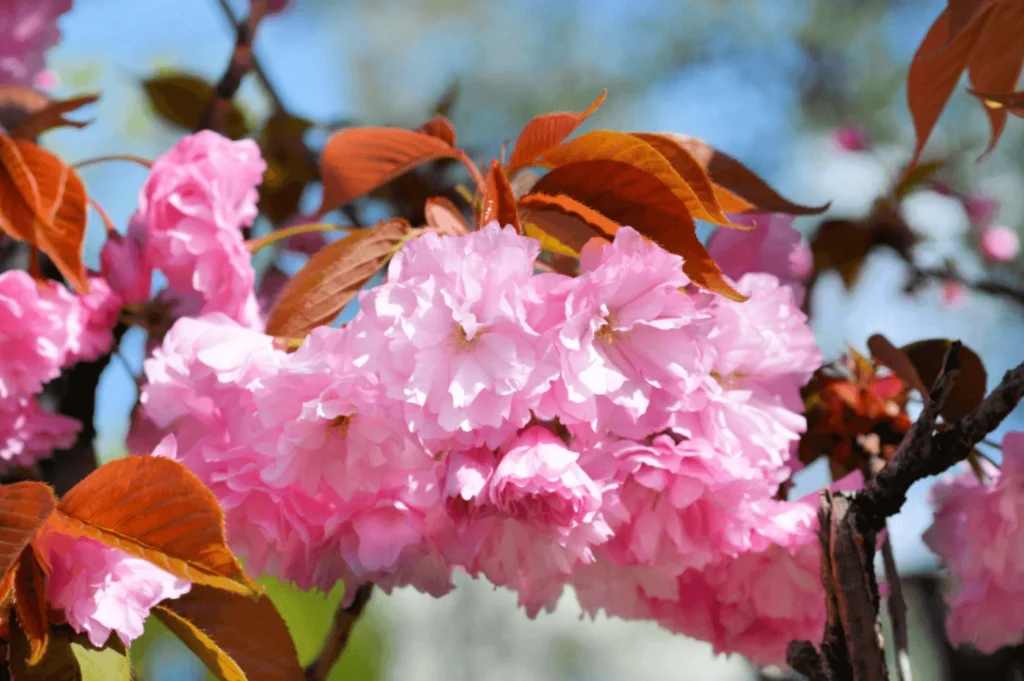
When you come to Tokyo mid to late-April, you can expect to see peak blooms of late blooming varieties such as Double cherry (Yaezakura).
Please read my post about different types of cherry blossoms and their blooming times for more information.
What you should know about Tokyo’s weather pattern
Understanding the weather pattern of Tokyo is important for two reasons:
- You know what to expect around cherry blossom viewing experience
- You know what to bring to dress comfortably
Here is a summary of typical weather pattern in Tokyo
| Month | Avg High Temp | Avg Low Temp | Precipitation Trends |
|---|---|---|---|
| Mid-March | 13°C (55°F) | 5°C (41°F) | Transition from dry winter to scattered rain |
| April | 19°C (66°F) | 10°C (50°F) | Mild with occasional “flower-viewing” showers |
| Early May | 23°C (73°F) | 15°C (59°F) | Increasingly warm, often reaching 25°C+ |
*Data represents historical averages for Tokyo. Temperatures can vary significantly by year.
- The “Temperature Rollercoaster”: March and early April are transitional. You may experience a warm, sunny afternoon (18°C) followed by a “return of the cold” (hanabie) where temperatures drop to 5°C at night. This volatility can pause or accelerate cherry blossom growth unexpectedly.
- Sakura-ame (Cherry Blossom Rain): While spring is relatively dry, April often sees light, passing showers. Heavy spring storms or strong winds (haru ichiban) are “peak-killers” that can end the mankai (full bloom) period in just 48 hours.
- Rapid Warming in May: By early May (Golden Week), the weather shifts toward an early summer climate. While comfortable, recent years have seen May daytime highs occasionally nearing 30°C (86°F), feeling more like summer than spring.
The period of comfortable spring weather in Tokyo is quite short, lasting just about 3-4 weeks from early April to early May. Additionally, evening temperatures can be quite cold. Regardless of cherry blossom peak time, mid-March to early April in Tokyo is characterized by highly variable weather. It is often chilly and damp with frequent, light showers. Statistically speaking, the chance of a “wet day” (at least 1mm of rain) is about 33–35%. Additionally, this is one of the cloudiest times of the year, with overcast conditions common even when it isn’t raining. This is another key reason why arriving a few days after beginning of April will maximize your chance of having both good show of cherry blossom (not just Somei Yoshino but the peak of yaezakura) and good weather.
| Period | Average High | Average Low | Weather Characteristic |
|---|---|---|---|
| Early April | 19°C (66°F) | 10°C (50°F) | Stable but chilly evenings |
| Late April | 21°C (70°F) | 13°C (55°F) | Comfortably warm; peak greenery |
| Early May | 24°C (75°F) | 16°C (61°F) | Very mild; start of summer-like warmth |
*Averages based on historical Tokyo climate data. Actual conditions may vary.
What are the best sites for enjoying cherry blossom in Tokyo?
Tokyo is a vast metropolitan area. Over 30 million people live here. The city is actually comprises of several smaller cities. Here I list the best sites for enjoying cherry blossom in Tokyo, using the following criteria:
- The number of cherry trees planted
- The number of cherry varieties planted
- The size of the location relative to expected number of visitors (i.e. crowdedness)
- Approximate distance to popular accommodation clusters
- Admission cost
- Uniqueness of the setting
| Location | Varieties | Tree Count | Area (sq m) | Daily Visitors | Entry Cost | Expert Notes |
|---|---|---|---|---|---|---|
| Shinjuku Gyoen | ~70 | ~900 | 583,000 | ~40,000+ | ¥500 | Most diverse cherry types; 2-month blooming window. Massive space prevents “crowded” feel. Central Shinjuku. |
| Showa Kinen Park | ~31 | ~1,500 | 1,800,000 | ~30,000+ | ¥450 | Stunning tulip & cherry combo. Largest area; never feels crowded. Located in Western Tokyo (Tachikawa). |
| Ueno Park | ~50+ | ~1,200 | 538,000 | ~300,000+ | Free | Iconic but extremely crowded (8x visitors vs Shinjuku). Great for “hanami” atmosphere. |
| Chidorigafuchi | ~10+ | ~260 | 10,000* | ~100,000+ | Free / ¥800 Boat | Famous boat-on-canal view. Crowded, but visually unique. Close to the Imperial Palace. |
| Meguro River | Mostly Yoshino | ~800 | N/A | ~200,000+ | Free | Best for night illumination. Cherry “tunnels” over water. Very high density of crowds. |
| Shibuya Sakura St. | ~1-2 | ~30 | N/A | ~15,000+ | Free | Urban “cityscape” blossoms. Beautiful pink lighting at night. Best early morning or late night. |
| Sumida Park | ~2+ | ~1,000 | 80,000 | ~100,000+ | Free | Riverside paths near Asakusa. Contrast of water and pink. Recommended Tokyo Cruise view. |
*Swipe left/right to compare locations. Visitor counts are estimates for peak bloom weekend.